
Common Plumbing Problems Las Vegas Homeowners Should Watch For
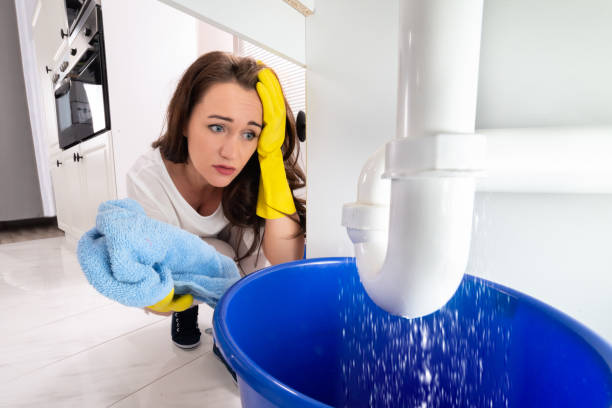
Living in the desert comes with special plumbing challenges. A variety of issues may arise within Las Vegas homes, such as plumbing problems, hard water, and intense heat. If you can identify minor problems early and solve them before they get worse, you’ll save stress and money. The following are the most frequent issues that will occur and how to correct them.
Hard Water Scale Buildup
Las Vegas water is very hard, which means it carries a lot of calcium and magnesium. Over time these minerals deposit a scale inside the pipes, faucets, shower heads and appliances. This could be indicated by weak water pressure, white crusty spots or aerator clogging. Regular cleaning of fixtures helps, and a water softener can limit the damage by filtering out the minerals before they can get to your plumbing. Nothing lasts nearly as long as water is not utilized.
Failing Water Heaters
Scale also accumulates inside of water heaters, and puts them under pressure, causing the heater to wear out sooner. Signs of trouble are puddles around the tank, strange sounds, lukewarm water and rusty water. Flushing the tank once a year and testing the relief valve can extend the life of the tank by years. If your unit is old or leaking, you can learn about local repair and replacement options at https://www.activeplumbinginc.com before deciding what to do. It’s better to act early than to have a flooded garage.
Slab Leaks Under the Home
Most homes in Vegas are on concrete slabs and thus have some water lines under the floor. It can be difficult to detect a leak there. Some signs are warm spots on the floor, running water noises when no water is actually being used, wet carpet, and an unusually large water bill. Read the water meter, with no water running. If it continues to move, contact a professional right away as hidden leaks may cause damage to floors and foundations.
Clogged Drains and Sewer Line Trouble
One of the first indications of a more serious issue is a slow sink. All of these things can clog drains and sewer lines – grease, hair, wipes, and tree roots. When multiple fixtures drain slowly or you smell sewer gasses, the main line could be the cause. Do not put grease down the drain, only toilet paper. Camera inspections let a plumber see the cause inside the pipe before choosing a fix.
Aging and Damaged Pipes
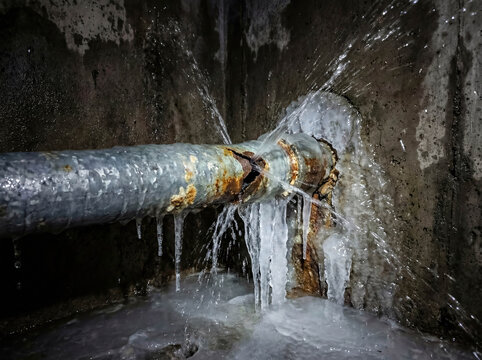
Homes built in the late 1970s to early 1990s may still have older materials such as polybutylene, which can become brittle and leak. Even galvanized and cast iron pipes can rust over time. Water discoloration, leakage and reduced pressure are all indicators of problem. A complete home repipe with today’s PVC piping or copper is often a less expensive solution than the constant repair work necessary for many leaky pipes and will prevent damage to your home.
Heat and Leaky Fixtures
Summer heat and strong sun can crack outdoor hose bibs, irrigation parts, and exposed pipes. Poorly insulated lines can freeze during the winter night. Water is wasted in the household each day due to dripping faucets, running toilets, and leaky valves. Have a seasonal walk around your home in each season to see if there are any drips, cracks or loose connections. Small fixes are relatively cost effective, and they can help keep your water bill in check.
Know When to Call a Professional
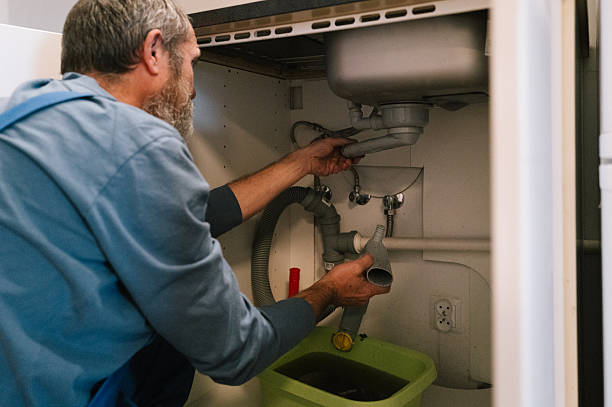
There are some careers that require training more suited for licensed professionals. If you have a pipe leak, sewage backup or a broken pipe, call a plumber. Turn off the main water shut-off if water is spreading and find out where it is in case of an emergency.
Conclusion
The harsh water conditions, concealed slab leaks, old pipes, and desert climate put stressors on Las Vegas homes. Periodic inspection and timely response will avoid big problems turning into expensive repairs. Be vigilant, keep your plumbing in good condition and call a pro when necessary to keep your entire home safe.